By Rosamund Hazel Thorpe · Publisher: FootballManagerFantasy Squad Pair Review
The hardest player to choose is often the one left after an expensive favourite has taken most of the remaining salary. A useful lineup comparison starts one step earlier: put two complete pairs beside each other. For September 2026, this article offers a way to examine those choices without pretending that a neat draft can remove uncertainty from a football match.
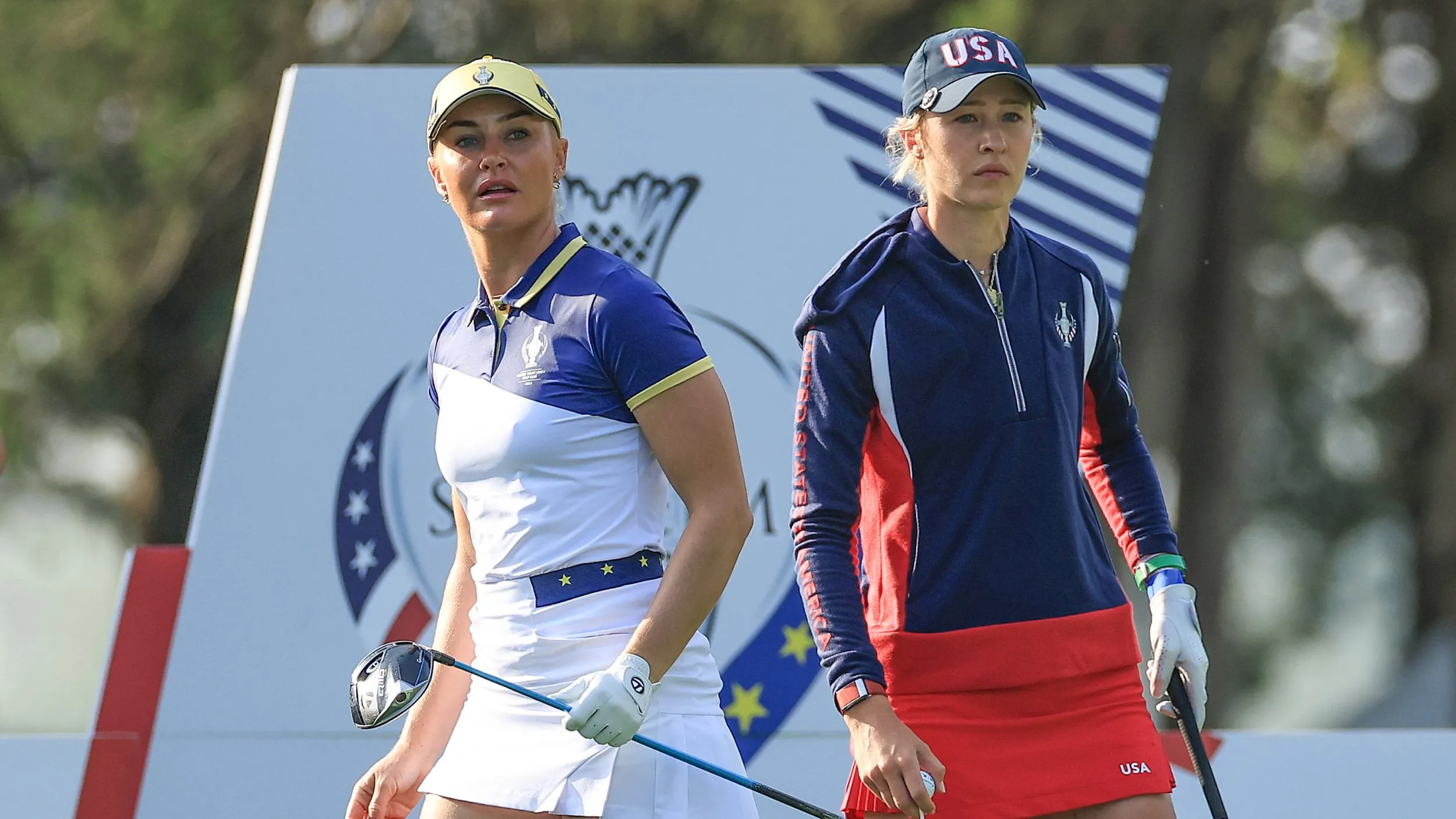
Two places together
Start with the same nine players in both drafts, leaving two positions open. One draft might combine a costly attacker with a cheaper defender; another could spread the same allowance more evenly. These are hypothetical choices, not current player recommendations. The point is to expose what the first selection asks of the second, including position eligibility and the remaining salary.
The site’s published lineup guide describes eleven players with one goalkeeper and ranges for the other positions. Check the actual contest requirements before using any formation example. A lineup comparison has little value if one version leaves an empty slot, breaks a position limit or depends on a price that has changed since the draft was saved.
| Check | Costly attacker and cheaper defender | More even allocation |
|---|---|---|
| Salary | Little room for a replacement | Check the remaining allowance |
| Minutes | Verify both players separately | Verify both players separately |
| Reason | Explain the cheaper selection too | Explain what balance adds |
Availability and roles
A low salary does not explain why a player belongs in the team. Write down the expected role and the evidence behind it: a confirmed team sheet, a manager’s comment or an unresolved report. Those sources offer different levels of certainty. A player returning to training has not thereby been confirmed to start, and an expected start does not establish how long that player will remain on the pitch.
Give each draft the same checks
- Confirm every position and the combined salary.
- Record the source and time of the latest availability update.
- Name a permitted alternative if a player is unavailable.
- Check the contest deadline before making a replacement.
Consider shared exposure as well. Two defenders from one club can depend on the same clean sheet, while an attacker and a teammate may benefit from the same move. That connection can help describe a draft, but it does not promise extra points. Ask how the whole pair fares when the match develops differently from your expectation. Keep plausible alternatives beside the attractive story.
Entry details
A lineup comparison also needs a separate reading of the entry screen. Salary credits describe the roster allowance; their presence alone says nothing about payment. If a particular contest asks for money, read its stated cost and conditions before committing. Do not infer an offer, a prize or a refund rule from an article. A draft can remain an exercise without becoming an entry.
- Keep roster allowance and any entry cost in separate notes.
- Check the lock time and the time zone shown with it.
- Confirm that a saved draft is actually submitted if you intend to enter.
The homepage mentions adjusting strategy during matches, but the FAQ and terms describe locked rosters after the deadline. Do not rely on a late change merely because an earlier sentence sounds flexible. Resolve that difference before entering. Our minute threshold article covers another rule ambiguity that can affect the reasoning behind a pair, especially when playing time is uncertain.
Save a short reason for the chosen draft before kickoff: the evidence available, the tradeoff accepted and the unanswered question. The matchday review article explains how to use that note later. Keeping it brief matters; a record that takes a minute is easier to maintain than a prediction sheet full of detail you never revisit.
Author’s opinion
I find lineup comparison most useful when it makes the less glamorous selection visible. An expensive favourite should not excuse a second player I cannot explain. I would rather keep two workable drafts until reliable news arrives than treat the first attractive team as settled. The final choice still carries uncertainty, and a good note should admit it.